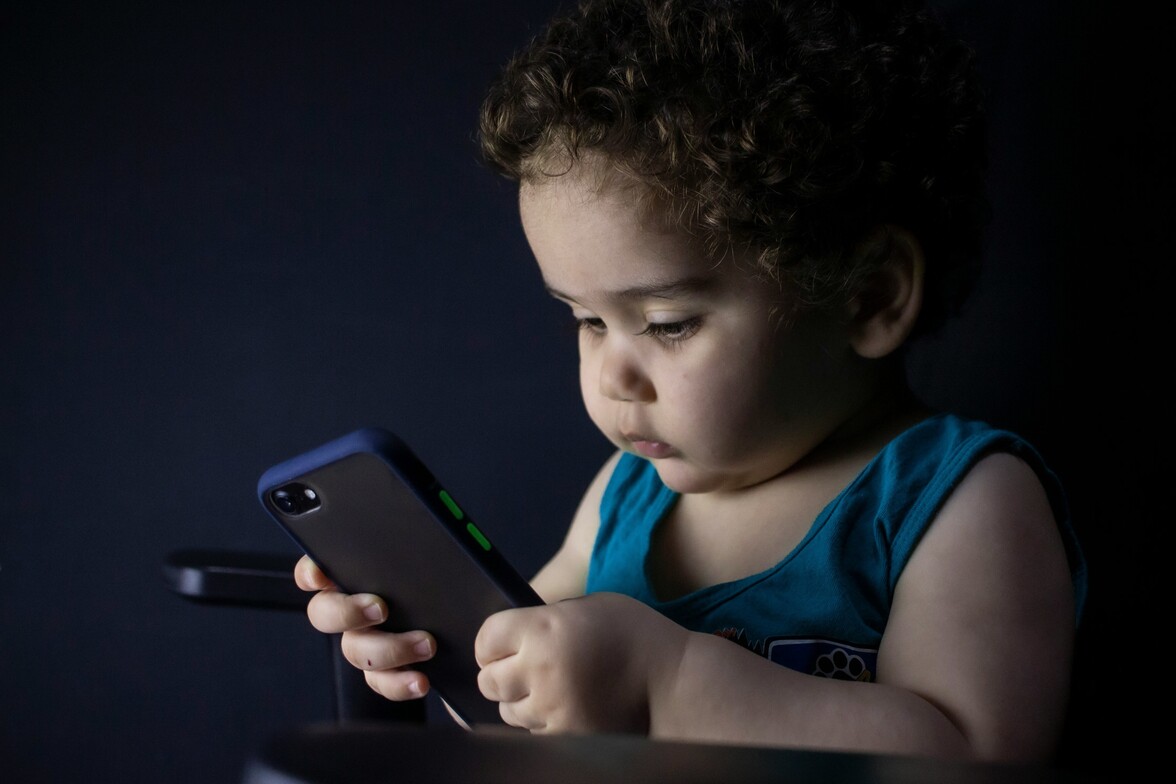
We cannot talk about phones and stress without talking about dopamine, especially when it comes to children.
Dopamine is the brain’s motivation and reward chemical. In healthy doses, it supports learning, curiosity, and goal-directed behavior. But phones, especially games, short videos, & social media...create repeated dopamine dumps that developing brains are not equipped to regulate. K-Counseling has additionl methods on ways to regulate the nervous system at K-Counseling's Wellness Library
Here’s the part we can’t afford to minimize:
Children aren’t spending 30 minutes on their phones. The current average is 7 to 10 hours a day.
That amount of stimulation fundamentally reshapes how a child’s brain learns to focus, cope, and self-regulate.
When dopamine is constantly spiked:
-
The brain becomes less responsive to everyday rewards
-
Attention spans shorten
-
Emotional regulation weakens
-
Frustration tolerance drops
-
Anxiety and irritability increase
-
Motivation for school, relationships, and creativity declines
In simple terms: real life starts to feel boring, hard, or overwhelming.
Developing Brains Need Boredom Not Constant Stimulation
Children’s brains are still under construction. Executive functioning, like impulse control, emotional regulation, planning—develops gradually over time, largely through practice.
But constant phone use robs children of the very experiences that build those skills:
-
Boredom
-
Waiting
-
Imagination
-
Discomfort
-
Self-soothing
-
Problem-solving
When every moment of discomfort is numbed by a screen, children don’t learn how to regulate themselves they learn how to outsource regulation to a device. And, that’s where anxiety quietly takes root.
This Doesn’t Let Parents Off the Hook
This part matters. Children cannot be expected to regulate something that adults struggle to regulate themselves.
Handing a child a phone without boundaries and hoping they’ll “figure it out” is, in essence, asking them to parent themselves neurologically. That’s not fair and it’s not developmentally appropriate.
Parents don’t need to be perfect. But they do need to be intentional. Children learn far more from what they observe than what they’re told.
If phones are always present at the dinner table…
If notifications interrupt conversations…
If scrolling replaces rest…
That becomes the unspoken curriculum.
For additionl methods on ways to regulate the nervous system, go to https://k-counseling.org/blog
Discipline Is Caught, Not Taught
Teaching healthy phone use isn’t about punishment it’s about modeling discipline & values.
That means:
-
Demonstrating phone-free time
-
Setting clear limits (and holding them)
-
Allowing children to feel bored, frustrated, or uncomfortable without immediately rescuing them
-
Teaching that rest doesn’t require stimulation
This isn’t about control. It’s about leadership. When parents reclaim their own attention, children gain permission (and structure) to do the same. K-Counseling has additional methods on ways to regulate the nervous system at K-Counseling's Wellness Library