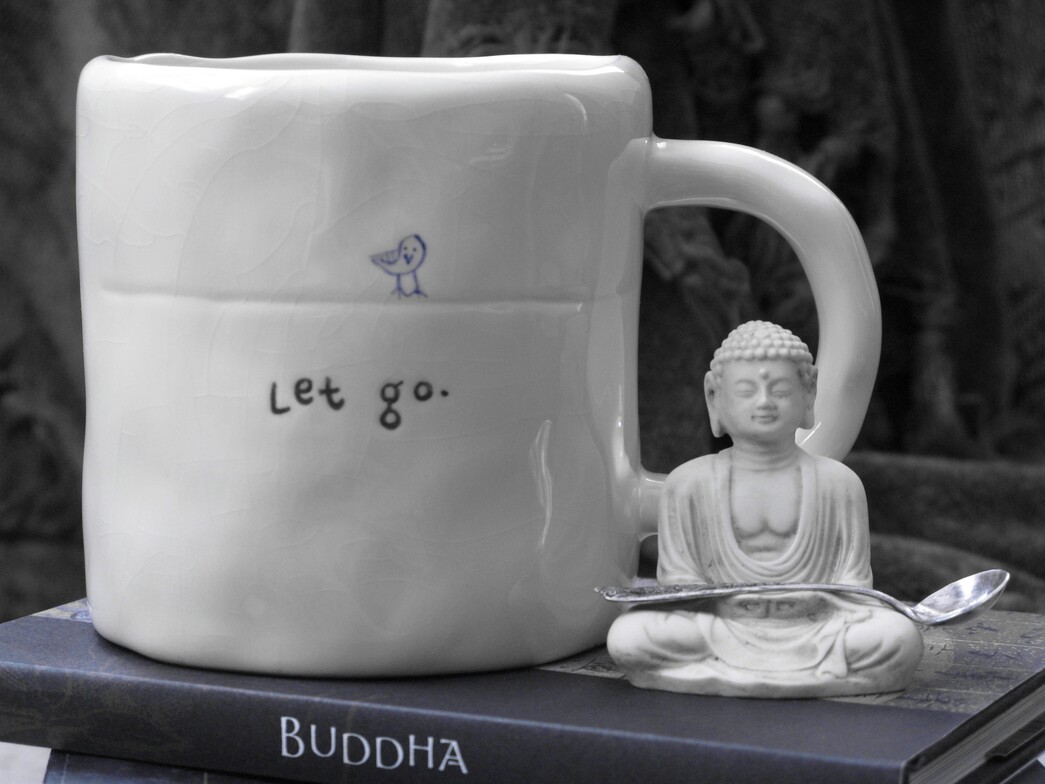
Before you set a single goal for 2026—before you decide what to improve, fix, optimize, or finally get right—there’s a more important question to ask first:
What are you tired of carrying?
Most New Year’s messaging pushes us toward addition: more discipline, better habits, higher standards, renewed effort. But clinically speaking, sustainable mental health rarely begins with adding. It begins with releasing. Letting go of what has quietly been taxing your nervous system, shaping your reactions, and consuming emotional energy you no longer have to give.
If you’re entering the New Year feeling full—not inspired, but full—that’s not a sign of failure. It’s information. And learning how to listen to that information is exactly the kind of work we support every day at K-Counseling & Anxiety Treatment LLC. If you’re curious about beginning that process with guidance, you can explore support options at www.k-counseling.org.
Growth Isn’t Always About Doing More
In clinical practice, one of the most common misconceptions we see is the belief that progress requires effort layered on top of exhaustion. People arrive in therapy asking what they need to improve, strengthen, or push through, without realizing how much they are already carrying.
When the nervous system is overloaded, adding more goals doesn’t create growth. It creates strain.
Reflection, at its best, is not self-criticism. It’s discernment. It helps you identify what is no longer serving your emotional health...and what you’ve been tolerating out of habit, guilt, or misplaced responsibility.
Letting go is not avoidance. It is an active mental health skill.
What Often Needs to Be Released Before a New Year
While every person’s experience is different, patterns show up again & again...especially after long, demanding seasons. Reflection often reveals the need to release things like:
-
Unrealistic self-expectations that were formed in survival mode
-
Roles you outgrew but kept fulfilling because others relied on you
-
Guilt for not doing enough, even when you were doing everything you could
-
Old coping strategies that once helped but now create more stress than relief
-
The belief that rest must be earned instead of respected
These aren’t personality flaws. They are adaptive responses that may no longer be necessary.
Without reflection, these patterns follow us into the new year automatically. With reflection, we get to choose differently.
Closure Is a Nervous-System Need, Not a Luxury
The brain does not reset on January 1st. It carries unfinished emotional business forward unless it’s consciously acknowledged.
When people don’t take time to reflect and release, the previous year often shows up in the new one as irritability, anxiety, emotional numbing, or a sense of heaviness that’s hard to explain. This isn’t weakness—it’s biology.
Closure allows the nervous system to downshift. It signals safety. It creates room. That’s why reflection isn’t passive—it’s regulatory.
Letting Go Doesn’t Mean Minimizing What Happened
Releasing is not the same as dismissing. You don’t let go by pretending something didn’t matter. You let go by acknowledging that it did—and that you no longer need to carry it forward in the same way.
This might look like:
-
Releasing resentment after naming its cost
-
Releasing self-blame once its protective purpose is understood
-
Releasing pressure once limits are honored
-
Releasing old narratives about who you “should” be by now
Therapy often provides a structured space to do this safely and intentionally. If you find yourself circling the same emotional weight year after year, that’s not a sign to try harder—it’s a signal to seek support. You can learn more about what that support can look like at Click Here For a FREE Consultation.
The Question That Changes Everything for 2026
Instead of asking, “What do I need to add this year?”
Consider asking, “What am I no longer willing to carry into 2026?”
That question shifts the entire emotional posture of the year ahead. It prioritizes capacity over performance. Alignment over pressure. Regulation over resilience-for-show.
When release comes first, goals become clearer—and fewer. Boundaries feel more natural. Energy becomes more available. And growth happens without force.
Reflection Creates Space; Space Creates Choice
When you release what no longer fits, you don’t become passive. You become precise. You stop spending emotional energy on things that were never meant to be permanent.
For many people, this is the moment therapy stops feeling like something you do because something is wrong and starts feeling like something you do because you’re ready to live differently.
If you’re considering that shift as you enter 2026, you don’t have to figure it out alone. Starting a conversation can be simple and pressure-free at K-Counseling.
Enter 2026 Lighter, Not Louder
You don’t need more intensity this year. You need more honesty—with yourself and your capacity. Reflection helps you release what has been weighing you down, so the year ahead isn’t built on top of exhaustion.
Before you set a single goal for 2026, consider this new filter:
WHAT you let go of may matter more than what you add.
And that, too, is growth. You got this, friend. Happy New Year!